
Short answer: allow four to six months from the first survey to a finished single-storey extension. The build itself is often 10 to 18 weeks; design, approvals and party wall notices take the rest. Planning permission adds about eight weeks.
A typical timeline
| Stage | Typical time | What happens |
|---|---|---|
| Survey visit and quote | 1 to 3 weeks | We see the job, measure up and send an itemised price |
| Design and structural calculations | 3 to 6 weeks | Drawings, steel sizes and a specification |
| Planning permission (if needed) | About 8 weeks | Councils aim to decide householder applications within eight weeks |
| Building Regulations | 5 weeks to 2 months for full plans | Plans are checked before work starts |
| Party wall notices | 1 to 2 months’ notice | Often served while the design is checked |
| The build | 10 to 18 weeks | Groundworks to decoration, depending on size |
| Sign-off | 1 to 2 weeks | Snagging, the completion certificate and your paperwork |
Several stages run side by side: the party wall notices and Building Regulations checks often run during the planning decision.
Week by week on site
- Weeks 1 to 3: set-up, demolition, digging and pouring foundations, drainage. Building control inspects the foundations.
- Weeks 3 to 7: walls up to roof level, steels in, roof structure on.
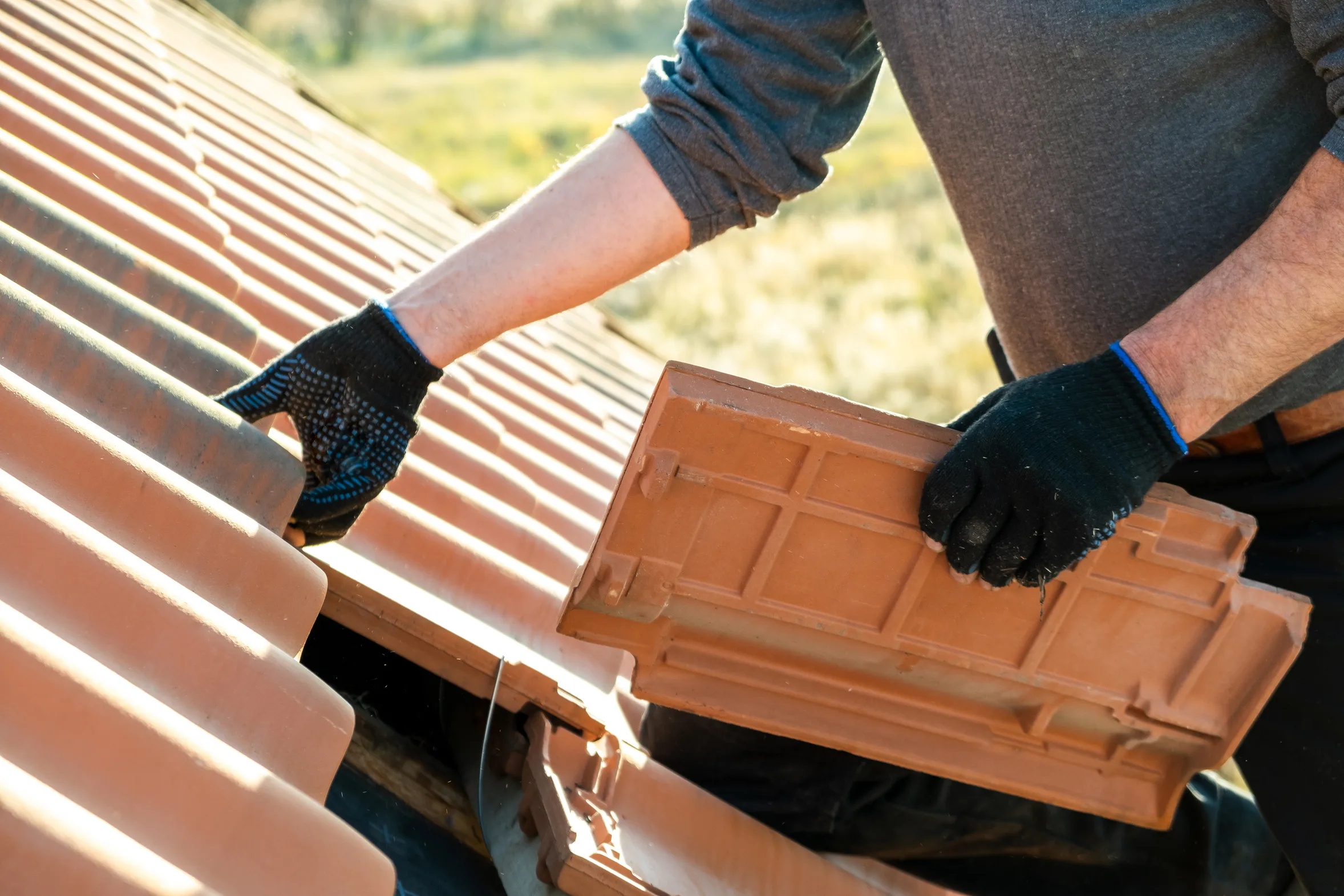
- Weeks 7 to 10: roof covering, windows and doors in: the extension is weathertight.
- Weeks 10 to 14: first fix electrics and plumbing, insulation, plastering, then knocking through.
- Weeks 14 to 18: flooring, kitchen, second fix, decoration and snagging.
What causes delays
- Long lead times for steel, glazing, roof lanterns and kitchens. Order early.
- Changes to the design once the work has started.
- Unknowns in the ground: old drains, tree roots or soft clay.
- Wet weather during groundworks and roofing.
- Waiting for building control inspections or a party wall award.
Questions people ask
Can we stay at home during the build?
Usually, yes. The new space is built outside first, and the knock-through happens near the end. Expect a few days without a kitchen; we’ll plan a temporary one with you.
When is the best time of year to build?
Starting groundworks in spring or early summer avoids the wettest months, but good builders work all year. It’s more important to have approvals and materials ready.
What paperwork should I get at the end?
The Building Regulations completion certificate, electrical and gas safety certificates, the FENSA or CERTASS certificate for windows, and any guarantees. Keep them for when you sell.
Planning an extension for next year? Book a survey visit or call 07802 758763.
Last checked: 27 November 2026. Rules and figures change; check the linked sources before you rely on them.